The Ghost Edition
It started with a simple thought: I don't want to read my son books that bore me.
Bedtime reading either becomes a ritual that lasts years or a chore that dies quietly. I decided that instead of suffering through whatever colorful thing the algorithm recommended, I'd read him books I actually love. Books where I'd hear my own voice enjoying the words as they came out.
El Principito was obvious. It's one of those family threads that runs so deep you stop noticing it's there.
But which translation? I'm a madrileño living in San Francisco. I wanted castellano de España, not the Argentine translation by Bonifacio del Carril that every edition uses. And that's when I pulled a thread that should have taken five minutes and instead consumed weeks.
The Thread
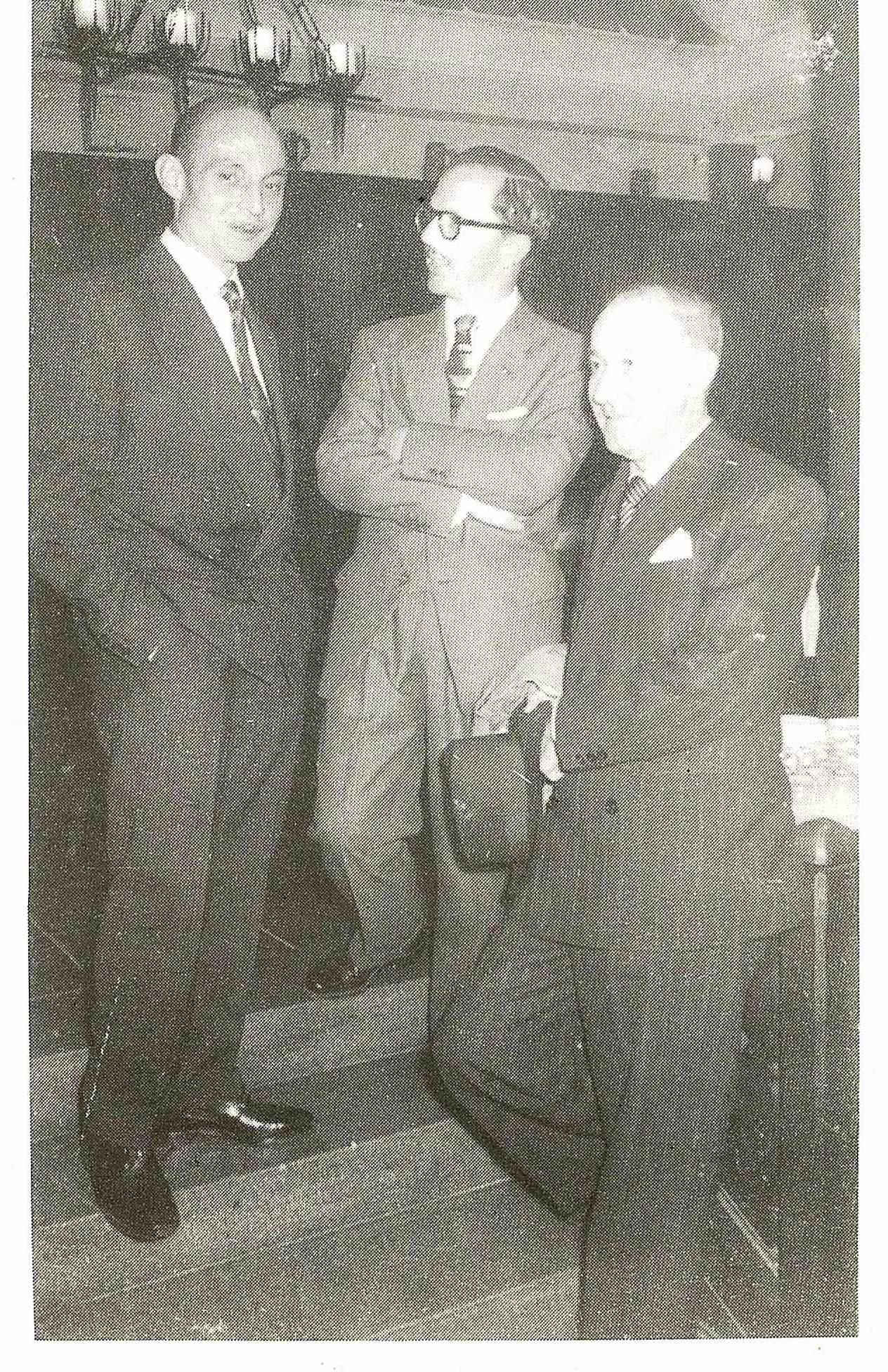
Someone, somewhere on the internet, mentioned that the poet José Hierro had translated El Principito in 1967. José Hierro. Premio Cervantes. The man who went to prison after the Civil War and came out writing some of the most important poetry of the twentieth century in Spanish. That Hierro. Translating Saint-Exupéry.
I thought: that's the one. A poet who read Baudelaire as a teenager and survived Franco's prisons, rewriting The Little Prince in his own voice. That's what I want to read to my son.
So I went looking for it.
The Wall
It doesn't exist.
I mean, I searched everywhere. Amazon. IberLibro. AbeBooks. Casa del Libro. Todocolección. Wallapop. eBay. The world's largest collection of Little Prince editions, petit-prince-collection.com, which catalogs over 7,700 editions in every language imaginable, including Toba, Skolt Sámi, and Klingon.
No Hierro. Anywhere.
I started wondering if I'd hallucinated the reference. Maybe someone confused José Hierro with José María Francés (a different translator). Maybe it was one of those internet facts that reproduces itself through repetition until everyone believes it but nobody I could find had seen the source.
The Academic
I found exactly one scholarly reference. A 2021 paper by a researcher at the Universidad Complutense de Madrid, titled "Fortuna de El Principito y su recepción en lengua española." In it, she writes:
El poeta José Hierro será el traductor de la edición española publicada en 1967, impreso en Art. Gráf. Ibarra, en Madrid.
One sentence. One footnote. Every other source on the internet was copying from her or from a Wikipedia article that cited her.
I emailed her. Cold. From San Francisco, to a professor in Madrid, asking about a footnote in a chapter of a collected volume about a Spanish collector's Principito editions. The kind of email that has maybe a 10% chance of getting a response.
She wrote back in seven hours.
The footnote, she told me, pointed to José Hierro's biographical entry in the Spanish Ministry of Culture's database of Premio Cervantes laureates. Not a physical book she had held. Not a library catalog. A biographical database entry that listed, among Hierro's works, two translations. Two in his entire life. One was a hand-typed manuscript of Rosalía de Castro's Follas novas, made in Valencia in 1945, right after he got out of prison. The other was this.
The Title
Two things hit me at once.
First: the title is "El pequeño príncipe." Not "El Principito." I had been searching the wrong title. The book predates the era when "El Principito" became the standard Spanish title. Every search I'd run, every database I'd queried, used "Principito." The book was hiding behind its own name.
Second: Art. Gráf. Ibarra is a printing house, not a publisher. No commercial publisher is listed. No ISBN. Spain didn't adopt ISBNs until 1972. This was a private commission. Someone paid to have Hierro's adaptation printed in a small run, and nobody distributed it commercially.
The Catalog
Armed with the correct title, I searched the BNE catalog. And there it was.
El pequeño príncipe, de Saint-Exupery / Traducción y adaptación... José Hierro
32 p. ; 27 cm
Depósito Legal: M 4990-1967
Madrid : Art. Gráf. Ibarra
32 pages. The original Le Petit Prince is 96. Hierro didn't just translate it. He adapted it. He condensed Saint-Exupéry's story to a third of its length. A poet in his mid-forties, three years after publishing Libro de las alucinaciones, his most experimental work, rewriting The Little Prince as something new.
27 centimeters tall. Large format, almost album-sized. Made to be beautiful.
And the Depósito Legal number means the BNE is legally required to hold a copy. It's there. In the building. On Paseo de Recoletos in Madrid. One confirmed copy in the world.
The Offer
I told the professor what I'd found. She offered to ask collectors she'd worked with on exhibitions. I sent her the BNE catalog link.
And then she wrote something I didn't expect:
Tengo el carnet de la BNE y si quiere puedo intentar solicitarlo en consulta y ver si me dejan escanear. — I have a BNE library card and if you'd like, I can try to request it and see if they'll let me scan it.
A professor at the Complutense, who wrote the only academic paper that mentions this edition, offering to walk into the Biblioteca Nacional and hold the book. Because a stranger from San Francisco emailed her about a footnote.
What Feynman Would Say
There's a book called Tuva or Bust! about Richard Feynman's obsession with visiting the tiny republic of Tuva in central Asia. The whole adventure started because Feynman saw "Tannu Tuva" on a stamp and thought: what is that place? The curiosity was the engine. The destination was secondary.
Feynman never made it to Tuva. He died before the visa came through. But the pursuit itself generated friendships, discoveries, and a book that outlived him.
I don't know if I'll hold Hierro's Pequeño Príncipe in my hands. I've filed a formal reproduction request with the BNE. I've emailed the Fundación Centro de Poesía José Hierro in Getafe, where Hierro's family sits on the board and where his personal archive lives. I'm going to Madrid in June. The professor is going to try to see it before I get there.
But here's what I already know, even before anyone touches the book:
A Premio Cervantes laureate made exactly two translations in his life. Both were acts of love, not commerce. The first was a hand-typed gift made in Valencia right after prison. The second was a 32-page adaptation of the most-translated French book in history, printed privately in Madrid in 1967, never sold in a bookstore, and forgotten by everyone except a government database and one copy sleeping in the national library.
Hierro started his literary career at twelve years old, winning a prize for a children's story at the Ateneo de Santander. Sixty years later, his adaptation of Le Petit Prince connects the beginning and the end of a life in literature. Exactly one scholar has written about it. That's it.
That's what happens when you refuse to settle for whatever Amazon serves you. You end up in the BNE catalog at 2am, emailing strangers about footnotes.
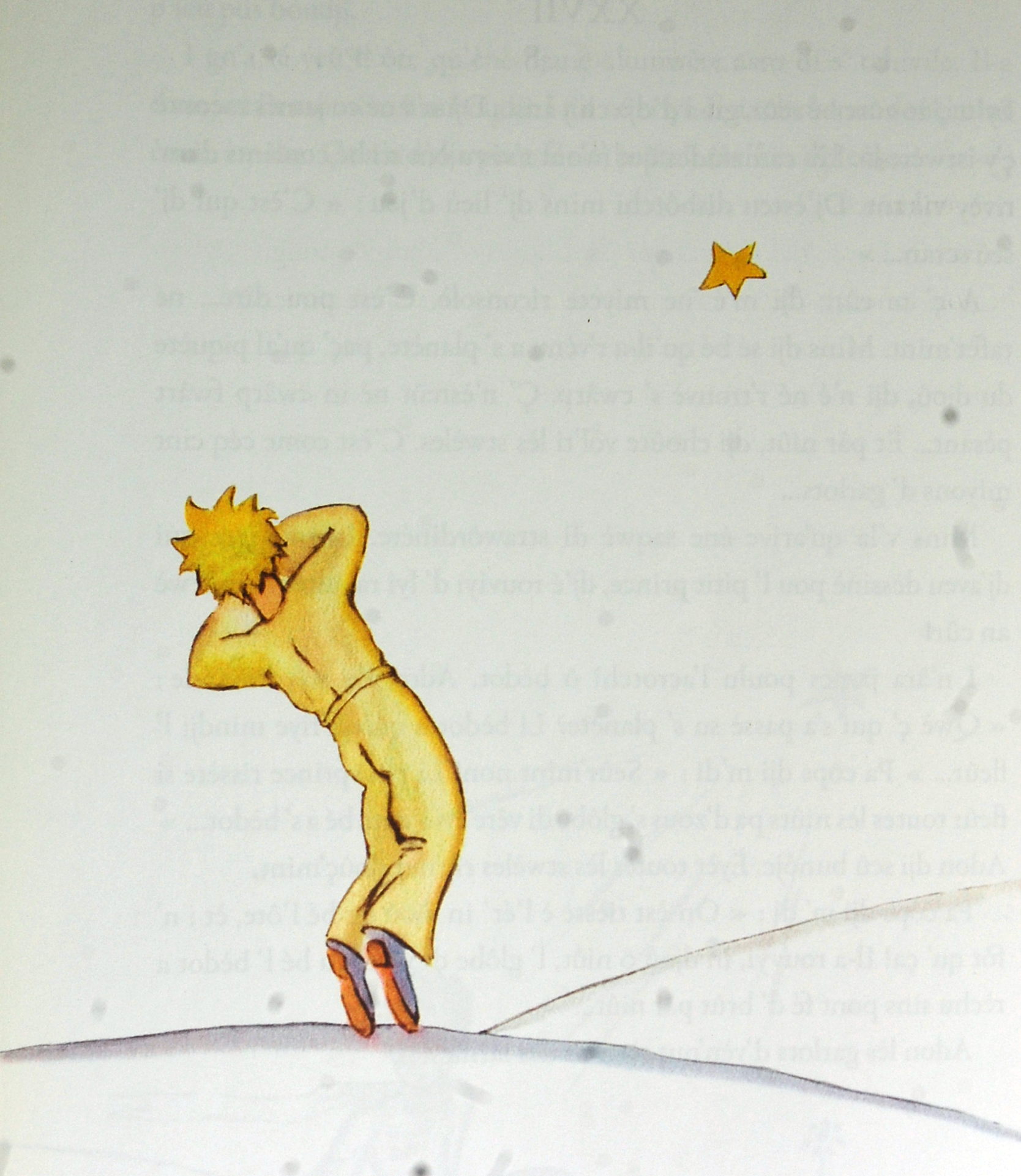
The book exists. I went looking for it because I wanted something from where I come from. Something with the right voice. I haven't read it yet. But I know it's there, waiting.
Like the fox said: "Lo esencial es invisible a los ojos."
Or however Hierro said it. We'll find out.